off-page seo strategies

10 Proven Off-Page SEO Strategies to Boost Your Website’s Authority

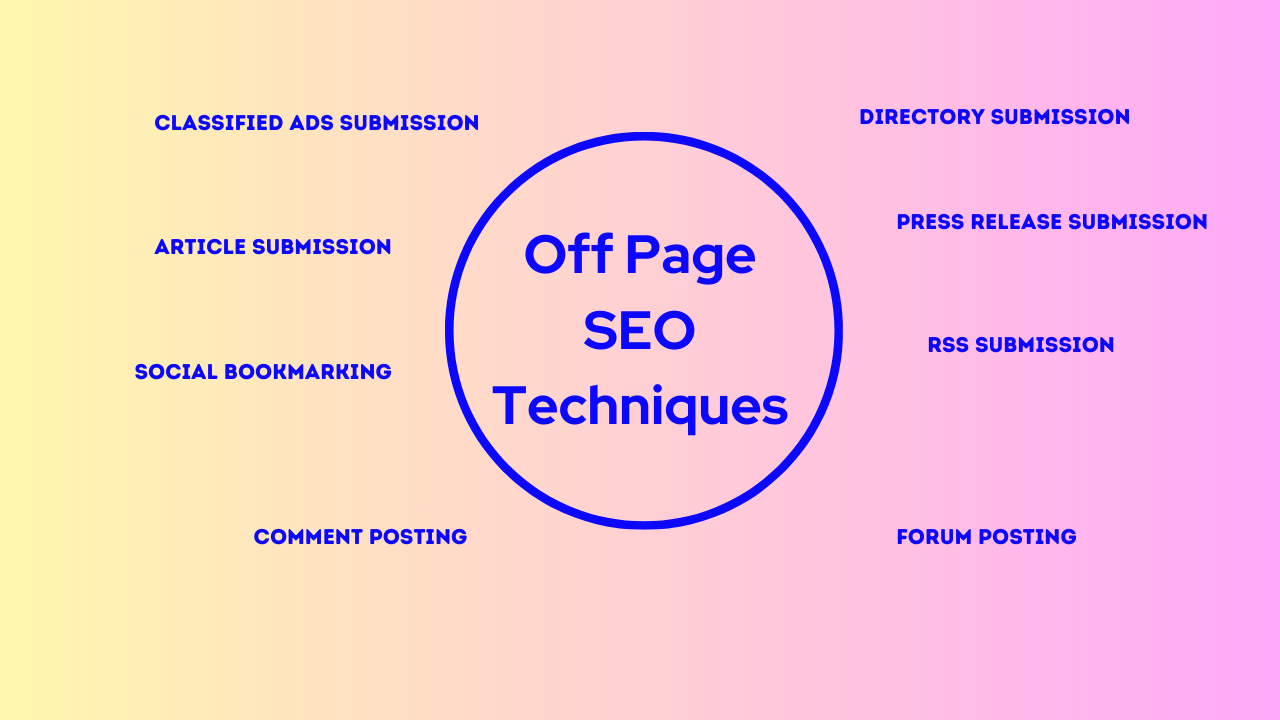
Introduction Are you looking to enhance your website’s authority and climb the search engine rankings? Off-page SEO strategies is your secret weapon! While on-page SEO deals with optimizing elements on your website, off-page SEO focuses on actions outside your site to improve its authority and relevance. In this article, we’ll explore ten proven off-page SEO strategies that can significantly boost your website’s authority and visibility. Understanding Off-Page SEO Definition and Significance: Off-page SEO refers to all the activities you perform outside your website to impact its rankings within search engine results pages (SERPs). It’s like the reputation management of the online world. The better your off-page SEO, the more credible and authoritative your site appears to search engines. Difference Between On-Page and Off-Page SEO: While on-page SEO practices focuses on elements within your site like keywords, content quality, and meta tags, off-page SEO involves strategies such as backlink building, social media engagement, and influencer outreach. Both are essential components of a comprehensive SEO strategy. Strategy 1: Building High-Quality Backlinks Importance of Backlinks: Backlinks serve as endorsements from other websites, indicating to search engines that your content is valuable and trustworthy. However, not all backlinks are created equal. Quality matters more than quantity. Techniques to Acquire Quality Backlinks: Guest Blogging: Create high-quality content for respected websites within your industry. Broken Link Building: Identify broken links on other sites and propose your content as an alternative. Skyscraper Technique: Create superior content and reach out to those linking to similar, but inferior, content. Strategy 2: Social Media Engagement Role of Social Media in SEO: Social media platforms are powerful tools for promoting your content and attracting visitors to your site. While social signals (likes, shares, comments) don’t directly impact SEO, they increase your content’s visibility and the likelihood of earning backlinks. Tips for Effective Social Media Use: Consistent Posting: Stick to a consistent posting schedule. Engagement: Respond to comments and engage with your audience. Shareable Content: Create content that resonates with your audience and encourages sharing. Strategy 3: Influencer Outreach Benefits of Influencer Collaborations: Partnering with influencers can broaden your audience and enhance your brand’s credibility. Influencers have established trust with their audience, and their endorsement can drive traffic and backlinks to your site. How to Approach Influencers: Research: Identify influencers in your niche. Personalized Outreach: Send personalized messages explaining how a collaboration can be mutually beneficial. Build Relationships: Engage with their content and build a genuine relationship before pitching. Strategy 4: Guest Blogging Advantages of Guest Blogging: Guest blogging allows you to reach a broader audience and earn high-quality backlinks. It also helps establish you as an authority in your niche. Finding and Pitching to Blogs: Identify Relevant Blogs: Look for blogs that accept guest posts in your niche. Pitch Unique Ideas: Offer unique, valuable content that hasn’t been covered on their site. Follow Guidelines: Adhere to the blog’s guest posting guidelines for better chances of acceptance. Strategy 5: Online Forums and Communities Engaging in Niche Forums: Participating in forums related to your industry can position you as an expert and drive traffic to your site. Provide valuable insights and link to your content where relevant. Utilizing Communities like Reddit and Quora: Platforms like Reddit and Quora are great for engaging with a wider audience. Answer questions and participate in discussions, subtly linking back to your content when it adds value. Strategy 6: Content Marketing Creating Shareable Content: Content that resonates with your audience is more likely to be shared, increasing its reach and the chances of earning backlinks. Focus on creating high-quality, informative, and engaging content. Promoting Content for SEO: Email Marketing: Send your content to your email list. Social Media: Distribute your content across all your social media channels. Content Syndication: Republish your content on platforms like Medium and LinkedIn. Strategy 7: Local SEO and Google My Business Importance of Local SEO Local SEO is crucial for businesses aiming to reach a local audience. Optimizing your Google My Business (GMB) profile can improve your visibility in local searches. Optimizing Google My Business: Complete Your Profile: Fill out all the information fields in your GMB profile. Encourage Reviews: Encourage satisfied customers to share positive reviews. Post Regular Updates: Keep your audience informed with regular posts and updates on your GMB profile. Strategy 8: Podcasting and Webinars Benefits of Audio and Video Content: Podcasts and webinars are excellent ways to reach a wider audience and establish authority in your niche. They can also be repurposed into blog posts, infographics, and social media content. How to Start and Promote: Choose a Niche Topic: Focus on topics that interest your target audience. Invite Guests: Collaborate with industry experts to expand your reach. Promote Widely: Share your podcasts and webinars on your website, social media, and email list. Strategy 9: Influential Content Creation Crafting Viral Content: Creating content that goes viral can significantly boost your website’s authority. Focus on trending topics, use compelling headlines, and include shareable visuals. Utilizing Data and Research: Incorporate data and research into your content to make it more credible and shareable. Use infographics, charts, and graphs to present information clearly. Strategy 10: PR and Brand Mentions Leveraging Public Relations: Good PR can earn you high-quality backlinks from reputable sites. Send press releases about significant updates or achievements to news outlets and industry publications. Turning Brand Mentions into Links: Monitor your brand mentions online and reach out to those who mention you without linking. Politely request them to add a link to your site. Conclusion Off-page SEO is a crucial component of a successful SEO strategy. By implementing these ten proven strategies, you can boost your website’s authority, increase your visibility, and ultimately drive more organic traffic. Start today and watch your site rise in the search rankings! FAQs What is Off-Page SEO? Off-page SEO involves activities performed outside your website to improve its search engine rankings, such as backlink building, social media engagement, and influencer outreach. How Long Does It Take to See Results from Off-Page SEO? Results from
best seo practices

The Ultimate Guide to On-Page SEO: Helpful Tips and Tricks for Beginners in 2024

Introduction: Optimizing on-page SEO is crucial for high search rankings in digital marketing . If you’re a beginner looking to enhance your website’s visibility in 2024, this guide is for you. We’ll walk you through the essentials of on-page SEO, providing practical tips and tricks to help you optimize your site effectively. Understanding On-Page SEO: What is On-Page SEO? Optimize web pages to rank higher and attract relevant traffic in search engines with on-page SEO. This involves optimizing both the content and the HTML source code of a page, as opposed to off-page SEO, which involves links and other external signals. On-Page vs. Off-Page SEO: What’s the Difference? While on-page SEO focuses on elements within your website, off-page SEO deals with external factors like backlinks, social signals, and online reputation. Both are crucial, but mastering on-page SEO is the foundation for a successful SEO strategy. Keyword Research Importance of Keywords: Search engine users type keywords into search engines. Choosing the right keywords is essential because it helps search engines understand the content of your page and match it with user queries. Tools for Keyword Research: Several tools can help you find the best keywords for your content, including Google Keyword Planner, Ahrefs, SEMrush, and Uber suggest. Tools offer keyword volume, competition, and trend data. Long-Tail vs. Short-Tail Keywords: Long-tail keywords are longer and more specific phrases that users are more likely to use when they’re closer to a point of purchase or when using voice search. Short-tail keywords are broader and more general. Both types have their place in your SEO strategy. Title Tags and Meta Descriptions Crafting the Perfect Title Tag: Title tags are crucial for SEO because they tell search engines and users what your page is about. Ensure sentences stay under 60 characters, including primary keywords. Make sure your title is compelling and encourages clicks. Writing Compelling Meta Descriptions: Meta descriptions are short summaries that appear under your title in search results. While they do not directly affect search engine rankings, they do impact click-through rates. Aim for 150-160 characters and include a call to action. Header Tags and Content Structure Importance of Header Tags (H1, H2, H3, H4): Header tags help organize your content and make it easier for readers to navigate. Search engines also use them to understand the hierarchy and main topics of your page. Use H1 for the main title, H2 for main sections, H3 for subsections, and H4 for smaller points. Organizing Content for Readability: Break your content into small, digestible sections with clear headings. Use bullet points, numbered lists, and short paragraphs to improve readability and engagement. URL Structure Best Practices for SEO-Friendly URLs: Make sure your URLs are concise, descriptive, and incorporate your main keyword. Avoid using unnecessary words or characters, and use hyphens to separate words. Importance of Keywords in URLs: Including keywords in your URL helps search engines understand the content of your page and can improve your rankings. Ensure that your URLs are clear and easy for users to understand and navigate. Internal Linking: Benefits of Internal Linking: Internal linking helps users navigate your site, distributes page authority, and helps search engines understand the structure of your site. Enhance user experience and boost SEO by interlinking relevant content. How to Effectively Use Internal Links: Employ descriptive anchor text that links to pertinent pages on your website. Avoid overloading your pages with links; focus on quality over quantity. Image Optimization Importance of Optimizing Images: Images can enhance user experience, but they can also slow down your site if not optimized. Properly optimized images improve page load times and contribute to better SEO. Best Practices for Image SEO: Ensure your images have descriptive file names and alt text.Compress images to reduce file size without losing quality, and use the right file formats (e.g., JPEG for photos, PNG for graphics). Mobile Friendliness Importance of Mobile Optimization: With the increasing use of mobile devices, having a mobile-friendly site is crucial. Google prioritizes the mobile version of a website for ranking and indexing through mobile-first indexing. Tips for Mobile-Friendly Design: Make sure your website is responsive, adjusting smoothly to various screen sizes. Use readable font sizes, easy-to-tap buttons, and a simple, clean layout. Page Speed Why Page Speed Matters: Optimizing page speed is crucial for both user experience and SEO, as slower-loading pages can increase bounce rates and diminish search engine rankings. Tools to Check Page Speed: Tools like Google PageSpeed Insights, GTmetrix, and Pingdom can help you measure and analyze your page speed. They also provide recommendations for improvement. Tips to Improve Page Speed: Optimize your images, leverage browser caching, minify CSS and JavaScript, and use a content delivery network (CDN) to improve your page speed. Content Quality Importance of High-Quality Content: Creating high-quality content is crucial for captivating your audience and enhancing your SEO. It helps build trust, authority, and can lead to higher rankings. Tips for Creating Engaging Content: Focus on your audience’s needs, use a conversational tone, and provide valuable, actionable information. Incorporate visuals and keep your content updated. User Experience (UX) Role of UX in SEO: A positive user experience leads to higher engagement, lower bounce rates, and better SEO performance. Google considers UX factors like page load time, mobile friendliness, and ease of navigation in its ranking algorithms. Enhancing UX for Better SEO: Enhanced user experience contributes to increased engagement, reduced bounce rates, and improved SEO performance. Schema Markup What is Schema Markup? Schema markup is a form of microdata that helps search engines understand the content of your pages and provide richer search results. Enhancing your visibility and click-through rates can be achieved through this method. Benefits of Using Schema Markup: By adding schema markup, you can enhance your search listings with additional information like star ratings, event dates, and more, making your listings more attractive to users. Common On-Page SEO Mistakes to Avoid: Avoiding typical errors is important for maintaining quality and consistency. Ensure your website prioritizes user experience by avoiding excessive keywords,

seo practices

Types of SEO and the 10 Best SEO Practices to Rank in SERP

Introduction: In today’s digital marketing landscape, Best SEO Practices is more crucial than ever. Whether you’re running a personal blog or managing a business website, SEO helps increase visibility, attract organic traffic, and ultimately boost conversions. Understanding the different types of SEO and implementing these can significantly enhance your online presence. some of the best SEO practices are given with detail information. Types of SEO: On-Page SEO: On-page SEO involves optimizing individual web pages to achieve higher rankings and attract more relevant traffic from search engines. This optimization includes refining both the content and HTML source code of each page. Content Optimization: Content is king in the realm of SEO. High-quality, informative, and engaging content not only attracts visitors but also encourages them to stay longer on your site. Use clear and concise language, structure your content with headings and subheadings, and ensure it’s relevant to your audience. Keyword Research: Keywords are the foundation of SEO. Perform comprehensive keyword research to pinpoint the terms that your target audience is searching for. Tools like Google Keyword Planner, Ahrefs, and SEMrush can help you find the right keywords to incorporate naturally into your content. Meta Tags and Descriptions: Meta tags and descriptions supply search engines with information regarding your web pages. Ensure your meta titles and descriptions are compelling and include relevant keywords to improve click-through rates. Off-Page SEO Off-page SEO comprises activities beyond your website that impact your rankings in search engine results pages (SERPs).This includes building backlinks, engaging on social media, and guest blogging. Link Building: Backlinks from reputable sites indicate to search engines that your content is valuable and reliable. Focus on acquiring high-quality backlinks through guest posts, partnerships, and content marketing. Social Media Engagement: Engaging with your audience on social media platforms can drive traffic to your site and improve your SEO and it is one of the best SEO practice. Share your content regularly, interact with followers, and use social media to build relationships within your industry. Guest Blogging: Writing guest posts for other websites can increase your exposure and generate backlinks. Choose reputable sites in your niche and provide valuable content to establish yourself as an authority. Technical SEO Technical SEO involves optimizing your website’s infrastructure to make it easier for search engines to crawl and index your site. This includes improving site speed, mobile-friendliness, and creating XML sitemaps. Site Speed: Improving website speed enhances user experience and lowers bounce rates. Utilize tools such as Google Page Speed Insights to pinpoint and resolve any issues causing slowdowns on your site. Mobile-Friendliness: Given the rising prevalence of mobile devices, having a responsive, mobile-friendly website is indispensable. Make sure your website is responsive and offers a seamless experience across all devices. XML Sitemaps: An XML sitemap aids search engines in comprehending your website’s structure, facilitating more efficient indexing of your pages. Regularly update your sitemap and submit it to search engines. Local SEO Google My Business: Creating and optimizing your Google My Business profile can significantly improve your local search visibility. Please verify that your business information is accurate and up-to-date. Local Citations: Having consistent and accurate mentions of your business name, address, and phone number (NAP) on various websites can significantly enhance your local SEO efforts. Reviews and Ratings: Positive reviews and high ratings can enhance your online reputation and influence potential customers. Encourage happy customers to share their feedback on Google and other review platforms. 10 Best SEO Practices Create High-Quality Content: Top-notch content forms the foundation of every effective and one of the best SEO practices. Create content that is valuable, engaging, and original, tailored to meet the needs and interests of your audience Optimize for Mobile: With more people accessing the internet via mobile devices, optimizing your website for mobile is crucial. Make sure your website adapts smoothly and delivers a consistent user experience on all devices. Use Relevant Keywords: Ensure your content, meta tags, and URLs integrate relevant keywords naturally, avoiding excessive repetition that could result in search engine penalties. Improve Site Speed: A fast-loading website not only improves user experience but also positively impacts your SEO. Utilize tools such as Google Page Speed Insights to pinpoint and resolve issues that could be causing slowdowns on your site. Build Quality Backlinks: Focus on acquiring high-quality backlinks from reputable sites. You can accomplish this through guest blogging, forming partnerships, and implementing content marketing strategies. these links helps to crawl the data and also helps to get rank in SERP. another best SEO practices helps to rank. Use Alt Text for Images: Alt text helps search engines understand the content of your images and improves your site’s accessibility. Craft alt text that describes the image using relevant keywords Leverage Social Media: Use social media platforms to share your content, engage with your audience, and build relationships within your industry. This can drive traffic to your site and improve your SEO practices. Utilize Schema Markup: Schema markup helps search engines understand your content and can improve your site’s visibility in SERPs. Use schema markup to provide additional information about your content. add this is in SEO practice. Regularly Update Content: Keep your content fresh and up-to-date to maintain its relevance and value. Updating your content regularly can enhance your search engine rankings and maintain engagement with your audience. Monitor and Analyze Performance: Use tools like Google Analytics and Search Console to monitor your site’s performance in SEO practices and identify areas for improvement. Regular analysis can help you refine your SEO strategy and achieve better results. Conclusion: SEO practices is a multifaceted discipline that involves various strategies and techniques. By understanding the different types of SEO and implementing best SEO practices, you can significantly improve your website’s visibility, attract more organic traffic, and achieve your business goals. SEO demands consistent effort and ongoing adaptation to maintain a competitive edge.  FAQs What sets on-page SEO apart from off-page SEO? On-page SEO focuses on optimizing individual web pages, including content and HTML source code. Off-page SEO involves

search engines

A Deep Dive into How Search Engines Actually Work in 2024

Introduction : Search engines are the backbone of the digital marketing, guiding us through the vast sea of information available online. Imagine trying to find specific information without them—chaos, right? In this article, we’ll dive deep into how search engines work, breaking down the processes that bring you the answers you need with just a few keystrokes. Understanding Search Engines : What is a Search Engine? A search engine is a software system created to conduct searches on the web. They scour the internet, index the information they find, and then make this data easily accessible to users through a simple search interface. Think of it as a librarian who knows the location of every book in the world’s largest library. Brief History of Search Engines: The history of search engines dates back to the early 1990s. The first recognized search engine was Archie, created in 1990 to index FTP archives. Fast forward to today, and we have advanced search engines like Google, Bing, and Yahoo, which use complex algorithms to deliver highly relevant search results. How Search Engines Work : Crawling : What is Crawling? Crawling is the process by which search engines scan the internet for content. Search engines use automated bots, known as spiders or crawlers, to visit web pages and collect data. How Crawlers Work? Crawlers start with a list of known URLs and follow links from these pages to discover new pages. They visit each page, read the content, and follow the links within them, creating a vast map of interconnected web pages. Indexing : What is Indexing? Indexing involves processing and storing the information gathered during crawling. The data is organized in a massive database, known as an index, which contains all the information the search engine needs to provide relevant results. Importance of Indexing: Without indexing, They would not be able to quickly retrieve relevant information. Indexing allows search engines to scan their database in milliseconds and deliver accurate results to users. Ranking : What is Ranking? Ranking is the process of ordering search results based on relevance and quality. When you enter a query, the search engine evaluates all the indexed pages and ranks them according to numerous factors. Factors Influencing Ranking: Factors that influence ranking include keyword relevance, page quality, site authority, and user engagement metrics. They use these factors to determine which pages are most likely to satisfy a user’s query. Key Components of Search Engine Algorithms : Relevance : Content Relevance: Content relevance refers to how well a web page matches the search query. Search engines analyze the content of each page to determine its relevance to specific keywords and topics. Keyword Matching: Keywords are crucial for matching search queries to relevant content. Search engines look for exact matches and semantic variations of keywords to ensure comprehensive coverage of the topic. Authority:  Backlinks: Backlinks, also known as inbound links, are links from other websites to your own.. They serve as endorsements, signaling to search engines the value and trustworthiness of your content helps to improve SEO practices. Domain Authority: Domain authority is a measure of a website’s overall credibility and influence. It is based on factors like the quality and quantity of backlinks, the age of the domain, and its historical performance in search results. User Experience: Page Load Speed : Fast-loading pages provide a better user experience, and search engines prioritize these pages in their rankings. Pages that load slowly can result in increased bounce rates and decreased user satisfaction. Mobile Friendliness : As mobile device usage grows, search engines prioritize mobile-friendly websites. Responsive design guarantees optimal appearance and functionality across all devices. Freshness: Content Updates: Consistently updating your content informs search engines that your site remains active and pertinent. Fresh content is more likely to be favored in search results. New Content: Creating new content on trending topics can boost your site’s visibility. Search engines look for the latest The Role of SEO in Search Engines : What is SEO? SEO, which stands for Search Engine Optimization, involves optimizing your website to achieve higher rankings in search engine results. It involves a combination of on-page and off-page strategies to improve visibility and attract organic traffic. Importance of SEO: SEO is crucial because it helps your site get discovered by search engines and users. Higher rankings lead to more traffic, better engagement, and ultimately, more conversions. Basic SEO Practices: Basic SEO practices include keyword research, optimizing meta tags, creating high-quality content, building backlinks, and ensuring a mobile-friendly design. These strategies help search engines understand and prioritize your content. Common Search Engine Algorithms: Google’s Algorithms: PageRank: PageRank is an algorithm used by Google to rank web pages in its search results. It measures the importance of web pages based on the number and quality of backlinks. Panda: The Panda algorithm targets low-quality content and thin pages, penalizing sites with poor content quality and rewarding those with valuable and informative content.  Penguin: The Penguin algorithm focuses on detecting and penalizing sites that engage in spammy link-building practices. It aims to promote high-quality, naturally acquired backlinks. Other Algorithms: Other search engines like Bing and Yahoo have their own algorithms, though they share many principles with Google’s algorithms. These include assessing relevance, authority, and user experience to deliver the best results. Challenges and Future of Search Engines: Challenges in this Technology: Challenges include dealing with the sheer volume of content, combating spam and manipulation, and ensuring user privacy. Search engines must continuously evolve to address these issues. Future Trends : Future trends include the integration of artificial intelligence, voice search optimization, and improved natural language processing. These advancements aim to make SERP’s more intuitive and user-friendly. Conclusion: Understanding the workings of search engines is essential for those aiming to enhance their online presence. By knowing the processes of crawling, indexing, and ranking, and the factors that influence these stages, you can better optimize your site for search engines. SEO plays a vital role in this process, helping your content get discovered

digital marketing

The Complete Roadmap to Digital Marketing Success in 2024

Understanding the Basics What is Digital Marketing? Digital marketing involves using the internet and electronic devices to promote products and services. It uses online platforms like search engines, social media, email, and websites to reach and engage with people. This field includes many methods and techniques to connect with target audiences and achieve business objectives. Key Concepts and Terminology Before starting, get to know key digital marketing terms like SEO (Search Engine Optimization), PPC (Pay-Per-Click), CTR (Click-Through Rate), ROI (Return on Investment), and conversion rates. Knowing these basics will make it easier to understand more advanced topics later on. Getting Started with Digital Marketing Identifying Your Goals Start by defining what you want to achieve with digital marketing. Whether it’s increasing brand awareness, driving website traffic, generating leads, or boosting sales, clear goals will guide your learning process and strategy development. Choosing Your Niche Digital marketing is vast, so it’s beneficial to focus on a niche that aligns with your interests or career aspirations. This could be anything from SEO and content marketing to social media or email marketing. Specializing will make it easier to become proficient and stand out in your field. Essential Skills for Digital Marketers SEO Basics SEO is important for making your website more visible on search engines. It means improving your content and website setup so that it appears higher in search results. On-Page SEO On-page SEO involves making improvements to each page on your website. This includes using relevant keywords, optimizing titles and descriptions, and making sure your content is high quality and easy to use. Off-Page SEO Off-page SEO involves activities outside of your website that influence your rankings, such as building backlinks, social media marketing, and influencer outreach. Content Creation Creating useful content is key to digital marketing. It helps to attract, engage, and turn your audience into customers. Blogging Start a blog to share informative and engaging posts about your niche. Blogging enhances your SEO and establishes your authority in your chosen field. Video Content Videos are an effective way to engage with your audience.Learn how to create compelling videos that can be shared on platforms like YouTube, Instagram, and TikTok. Social Media Marketing Social media platforms are essential for promoting content and engaging with your audience. Platform-Specific Strategies Each social media platform has its own audience and specific ways to use it effectively. Tailor your strategies for platforms like Facebook, Instagram, Twitter, and LinkedIn to maximize engagement and reach Engaging Your Audience Consistently interact with your followers by responding to comments, sharing user-generated content, and running contests or giveaways to build a loyal community. Email Marketing Email marketing is still one of the most effective ways to promote your business online. Building an Email List Use opt-in forms on your website, offer valuable lead magnets, and leverage social media to grow your email list. Crafting Effective Emails Write engaging subject lines, personalize your messages, and include clear calls-to-action to make your email campaigns successful. Analytics and Data Interpretation Understanding data is vital for measuring the success of your digital marketing efforts. Familiarize yourself with tools like Google Analytics to track website traffic, user behavior, and campaign performance. Free Resources to Learn Digital Marketing Online Courses Platforms like Coursera, Udemy, and HubSpot Academy offer free courses on various digital marketing topics. These courses typically feature video lessons, quizzes, and practical exercises. Blogs and Websites Follow reputable digital marketing blogs like Moz, Neil Patel, and Search Engine Journal to stay informed about the latest trends and best practices. YouTube Channels YouTube is a great resource for learning digital marketing. Channels like Ahrefs, Brian Dean, and Marketing 360 provide valuable tutorials and insights. Paid Resources for In-Depth Learning Certification Programs Consider investing in certification programs from Google, HubSpot, or the Digital Marketing Institute. These programs provide comprehensive training and a recognized credential upon completion. Books and eBooks Books like “Digital Marketing for Dummies” and “The New Rules of Marketing and PR” offer in-depth knowledge and practical tips. eBooks and whitepapers from industry experts are also valuable resources. Practical Experience and Application Starting Your Own Blog or Website Apply what you’ve learned by creating and managing your blog or website. This hands-on experience is invaluable for understanding digital marketing concepts in practice. Running Social Media Campaigns Experiment with different types of social media content and campaigns. Analyze the results to learn what works best for your audience. Experimenting with PPC Ads Run small PPC campaigns on platforms like Google Ads or Facebook Ads. Monitor their performance and adjust your strategies to optimize results. Networking and Community Involvement Joining Digital Marketing Groups Join online communities and forums like Reddit’s r/digitalmarketing or LinkedIn groups to connect with other digital marketers, share knowledge, and stay updated. Attending Webinars and Conferences Engage in webinars, workshops, and conferences to gain insights from industry leaders and connect with colleagues. Events like MozCon and Social Media Marketing World offer valuable insights and opportunities. Staying Updated with Industry Trends Following Influential Marketers Follow influencers and thought leaders in digital marketing on social media. They often share the latest trends, tips, and case studies. Subscribing to Industry Newsletters Subscribe to newsletters from sources like Marketing Profs, HubSpot, and Content Marketing Institute to receive updates and insights directly in your inbox. Conclusion Learning digital marketing step by step requires a mix of theoretical knowledge and practical experience. By setting clear goals, leveraging free and paid resources, gaining hands-on experience, and staying connected with the industry, you can develop the skills needed to succeed in this dynamic field. Remember, digital marketing is ever-evolving, so continuous learning and adaptation are key to staying ahead. FAQs How long does it take to learn digital marketing? The time it takes to learn digital marketing varies based on your dedication and the complexity of the skills you want to acquire. It might take several months to a year to become really good at something. Do I need a degree to become a digital marketer? No, a degree is