Introduction
Are you looking to enhance your website’s authority and climb the search engine rankings? Off-page SEO strategies is your secret weapon! While on-page SEO deals with optimizing elements on your website, off-page SEO focuses on actions outside your site to improve its authority and relevance. In this article, we’ll explore ten proven off-page SEO strategies that can significantly boost your website’s authority and visibility.
Understanding Off-Page SEO
Definition and Significance:
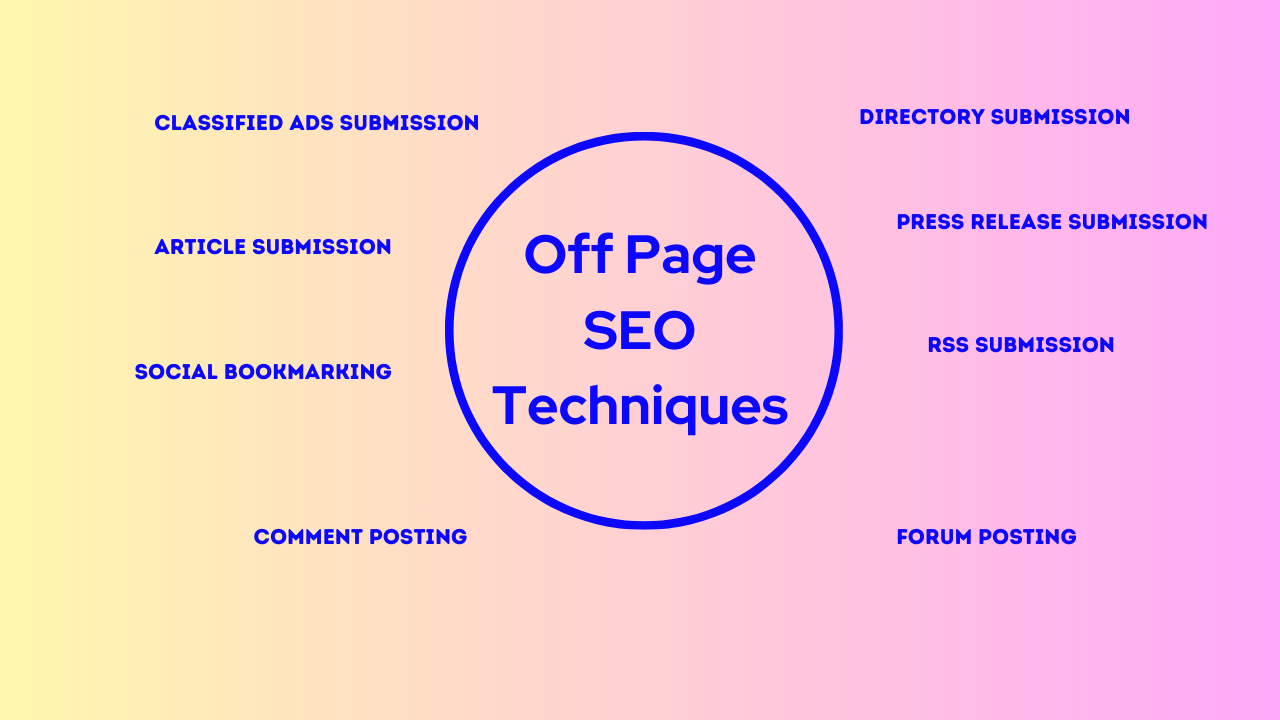
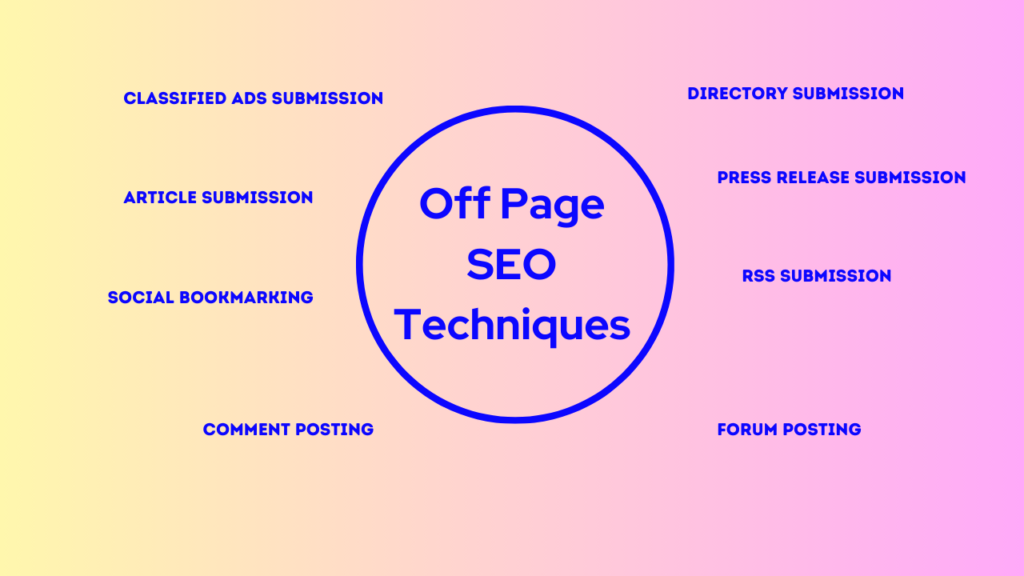
Off-page SEO refers to all the activities you perform outside your website to impact its rankings within search engine results pages (SERPs). It’s like the reputation management of the online world. The better your off-page SEO, the more credible and authoritative your site appears to search engines.
Difference Between On-Page and Off-Page SEO:
While on-page SEO practices focuses on elements within your site like keywords, content quality, and meta tags, off-page SEO involves strategies such as backlink building, social media engagement, and influencer outreach. Both are essential components of a comprehensive SEO strategy.
Strategy 1: Building High-Quality Backlinks
Importance of Backlinks:
Backlinks serve as endorsements from other websites, indicating to search engines that your content is valuable and trustworthy. However, not all backlinks are created equal. Quality matters more than quantity.
Techniques to Acquire Quality Backlinks:
Guest Blogging: Create high-quality content for respected websites within your industry.
Broken Link Building: Identify broken links on other sites and propose your content as an alternative.
Skyscraper Technique: Create superior content and reach out to those linking to similar, but inferior, content.
Strategy 2: Social Media Engagement
Role of Social Media in SEO:
Social media platforms are powerful tools for promoting your content and attracting visitors to your site. While social signals (likes, shares, comments) don’t directly impact SEO, they increase your content’s visibility and the likelihood of earning backlinks.
Tips for Effective Social Media Use:
Consistent Posting: Stick to a consistent posting schedule.
Engagement: Respond to comments and engage with your audience.
Shareable Content: Create content that resonates with your audience and encourages sharing.
Strategy 3: Influencer Outreach
Benefits of Influencer Collaborations:
Partnering with influencers can broaden your audience and enhance your brand’s credibility. Influencers have established trust with their audience, and their endorsement can drive traffic and backlinks to your site.
How to Approach Influencers:
Research: Identify influencers in your niche.
Personalized Outreach: Send personalized messages explaining how a collaboration can be mutually beneficial.
Build Relationships: Engage with their content and build a genuine relationship before pitching.
Strategy 4: Guest Blogging
Advantages of Guest Blogging:
Guest blogging allows you to reach a broader audience and earn high-quality backlinks. It also helps establish you as an authority in your niche.
Finding and Pitching to Blogs:
Identify Relevant Blogs: Look for blogs that accept guest posts in your niche.
Pitch Unique Ideas: Offer unique, valuable content that hasn’t been covered on their site.
Follow Guidelines: Adhere to the blog’s guest posting guidelines for better chances of acceptance.
Strategy 5: Online Forums and Communities
Engaging in Niche Forums:
Participating in forums related to your industry can position you as an expert and drive traffic to your site. Provide valuable insights and link to your content where relevant.
Utilizing Communities like Reddit and Quora:
Platforms like Reddit and Quora are great for engaging with a wider audience. Answer questions and participate in discussions, subtly linking back to your content when it adds value.
Strategy 6: Content Marketing

Creating Shareable Content:
Content that resonates with your audience is more likely to be shared, increasing its reach and the chances of earning backlinks. Focus on creating high-quality, informative, and engaging content.
Promoting Content for SEO:
Email Marketing: Send your content to your email list.
Social Media: Distribute your content across all your social media channels.
Content Syndication: Republish your content on platforms like Medium and LinkedIn.
Strategy 7: Local SEO and Google My Business
Importance of Local SEO
Local SEO is crucial for businesses aiming to reach a local audience. Optimizing your Google My Business (GMB) profile can improve your visibility in local searches.
Optimizing Google My Business:
Complete Your Profile: Fill out all the information fields in your GMB profile.
Encourage Reviews: Encourage satisfied customers to share positive reviews.
Post Regular Updates: Keep your audience informed with regular posts and updates on your GMB profile.
Strategy 8: Podcasting and Webinars
Benefits of Audio and Video Content:
Podcasts and webinars are excellent ways to reach a wider audience and establish authority in your niche. They can also be repurposed into blog posts, infographics, and social media content.
How to Start and Promote:
Choose a Niche Topic: Focus on topics that interest your target audience.
Invite Guests: Collaborate with industry experts to expand your reach.
Promote Widely: Share your podcasts and webinars on your website, social media, and email list.
Strategy 9: Influential Content Creation
Crafting Viral Content:
Creating content that goes viral can significantly boost your website’s authority. Focus on trending topics, use compelling headlines, and include shareable visuals.
Utilizing Data and Research:
Incorporate data and research into your content to make it more credible and shareable. Use infographics, charts, and graphs to present information clearly.
Strategy 10: PR and Brand Mentions
Leveraging Public Relations:
Good PR can earn you high-quality backlinks from reputable sites. Send press releases about significant updates or achievements to news outlets and industry publications.
Turning Brand Mentions into Links:
Monitor your brand mentions online and reach out to those who mention you without linking. Politely request them to add a link to your site.
Conclusion
Off-page SEO is a crucial component of a successful SEO strategy. By implementing these ten proven strategies, you can boost your website’s authority, increase your visibility, and ultimately drive more organic traffic. Start today and watch your site rise in the search rankings!
FAQs
What is Off-Page SEO?
Off-page SEO involves activities performed outside your website to improve its search engine rankings, such as backlink building, social media engagement, and influencer outreach.
How Long Does It Take to See Results from Off-Page SEO?
Results from off-page SEO can take anywhere from a few weeks to several months, depending on the competitiveness of your industry and the effectiveness of your strategies.
Can Social Media Activity Improve SEO?
While social media activity doesn’t directly impact SEO, it increases content visibility and the likelihood of earning backlinks, which can improve SEO indirectly.
What are Some Common Mistakes in Off-Page SEO?
Common mistakes include focusing on quantity over quality of backlinks, neglecting social media, and not engaging with influencers properly.
How Do I Measure the Success of Off-Page SEO?
You can measure the success of off-page SEO through metrics like backlink quality and quantity, referral traffic, social media engagement, and improvements in search engine rankings.