
Introduction :
Search engines are the backbone of the digital marketing, guiding us through the vast sea of information available online. Imagine trying to find specific information without them—chaos, right? In this article, we’ll dive deep into how search engines work, breaking down the processes that bring you the answers you need with just a few keystrokes.
Understanding Search Engines :
What is a Search Engine?
A search engine is a software system created to conduct searches on the web. They scour the internet, index the information they find, and then make this data easily accessible to users through a simple search interface. Think of it as a librarian who knows the location of every book in the world’s largest library.
Brief History of Search Engines:
The history of search engines dates back to the early 1990s. The first recognized search engine was Archie, created in 1990 to index FTP archives. Fast forward to today, and we have advanced search engines like Google, Bing, and Yahoo, which use complex algorithms to deliver highly relevant search results.
How Search Engines Work :
Crawling :
What is Crawling?
Crawling is the process by which search engines scan the internet for content. Search engines use automated bots, known as spiders or crawlers, to visit web pages and collect data.
How Crawlers Work?
Crawlers start with a list of known URLs and follow links from these pages to discover new pages. They visit each page, read the content, and follow the links within them, creating a vast map of interconnected web pages.
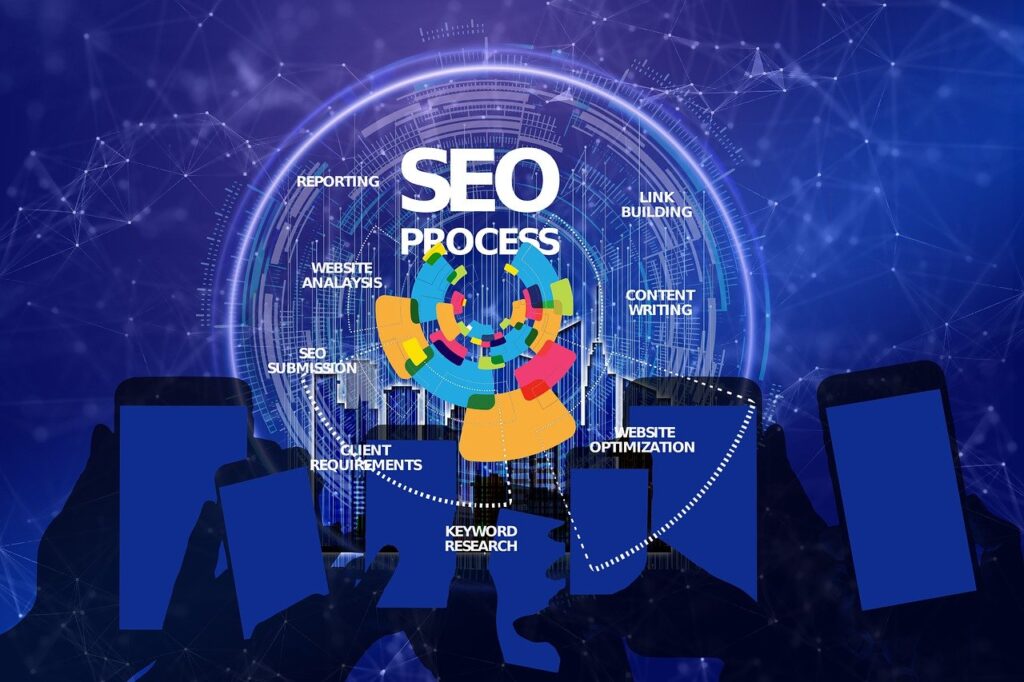
Indexing :
What is Indexing?
Indexing involves processing and storing the information gathered during crawling. The data is organized in a massive database, known as an index, which contains all the information the search engine needs to provide relevant results.
Importance of Indexing:
Without indexing, They would not be able to quickly retrieve relevant information. Indexing allows search engines to scan their database in milliseconds and deliver accurate results to users.
Ranking :
What is Ranking?
Ranking is the process of ordering search results based on relevance and quality. When you enter a query, the search engine evaluates all the indexed pages and ranks them according to numerous factors.
Factors Influencing Ranking:
Factors that influence ranking include keyword relevance, page quality, site authority, and user engagement metrics. They use these factors to determine which pages are most likely to satisfy a user’s query.
Key Components of Search Engine Algorithms :
Relevance :
Content Relevance:
Content relevance refers to how well a web page matches the search query. Search engines analyze the content of each page to determine its relevance to specific keywords and topics.
Keyword Matching:
Keywords are crucial for matching search queries to relevant content. Search engines look for exact matches and semantic variations of keywords to ensure comprehensive coverage of the topic.
Authority:

Backlinks:
Backlinks, also known as inbound links, are links from other websites to your own.. They serve as endorsements, signaling to search engines the value and trustworthiness of your content helps to improve SEO practices.
Domain Authority:
Domain authority is a measure of a website’s overall credibility and influence. It is based on factors like the quality and quantity of backlinks, the age of the domain, and its historical performance in search results.
User Experience:
Page Load Speed :
Fast-loading pages provide a better user experience, and search engines prioritize these pages in their rankings. Pages that load slowly can result in increased bounce rates and decreased user satisfaction.
Mobile Friendliness :
As mobile device usage grows, search engines prioritize mobile-friendly websites. Responsive design guarantees optimal appearance and functionality across all devices.
Freshness:
Content Updates:
Consistently updating your content informs search engines that your site remains active and pertinent. Fresh content is more likely to be favored in search results.
New Content:
Creating new content on trending topics can boost your site’s visibility. Search engines look for the latest
The Role of SEO in Search Engines :
What is SEO?
SEO, which stands for Search Engine Optimization, involves optimizing your website to achieve higher rankings in search engine results. It involves a combination of on-page and off-page strategies to improve visibility and attract organic traffic.
Importance of SEO:
SEO is crucial because it helps your site get discovered by search engines and users. Higher rankings lead to more traffic, better engagement, and ultimately, more conversions.
Basic SEO Practices:
Basic SEO practices include keyword research, optimizing meta tags, creating high-quality content, building backlinks, and ensuring a mobile-friendly design. These strategies help search engines understand and prioritize your content.
Common Search Engine Algorithms:
Google’s Algorithms:
PageRank:
PageRank is an algorithm used by Google to rank web pages in its search results. It measures the importance of web pages based on the number and quality of backlinks.
Panda:
The Panda algorithm targets low-quality content and thin pages, penalizing sites with poor content quality and rewarding those with valuable and informative content.
Penguin:
The Penguin algorithm focuses on detecting and penalizing sites that engage in spammy link-building practices. It aims to promote high-quality, naturally acquired backlinks.
Other Algorithms:
Other search engines like Bing and Yahoo have their own algorithms, though they share many principles with Google’s algorithms. These include assessing relevance, authority, and user experience to deliver the best results.
Challenges and Future of Search Engines:
Challenges in this Technology:
Challenges include dealing with the sheer volume of content, combating spam and manipulation, and ensuring user privacy. Search engines must continuously evolve to address these issues.
Future Trends :
Future trends include the integration of artificial intelligence, voice search optimization, and improved natural language processing. These advancements aim to make SERP’s more intuitive and user-friendly.
Conclusion:
Understanding the workings of search engines is essential for those aiming to enhance their online presence. By knowing the processes of crawling, indexing, and ranking, and the factors that influence these stages, you can better optimize your site for search engines. SEO plays a vital role in this process, helping your content get discovered and ranked. As search engines continue to evolve, staying updated with the latest trends and best practices will keep you ahead in the game.
FAQS:
How do search engines handle duplicate content?
Search engines use algorithms to identify and filter out duplicate content, ensuring that only the most relevant and original content appears in search results.
How does artificial intelligence contribute to the functionality here?
Artificial intelligence helps improve search accuracy and relevance by understanding user intent, analyzing patterns, and providing personalized search results.
What is the recommended frequency for updating content to improve SEO?
Regular updates keep your content fresh and relevant. Aim to update your content every few months or when there are significant changes in your industry.
What are the top factors influencing SERP rankings?
Key factors include content relevance, quality backlinks, user experience, and mobile friendliness. Search engines prioritize sites that excel in these areas.
How do voice searches impact SEO?
Voice searches often adopt a conversational and question-oriented style. Optimizing for natural language and including long-tail keywords can improve your site’s visibility in voice search results.