Introduction
Keeping up with the rapid changes in digital marketing, maintaining Technical SEO and advanced SEO strategies for your website is essential. One key component that often gets overlooked is technical SEO. But what exactly is technical SEO, and why is it so important in 2024? Let’s dive in.
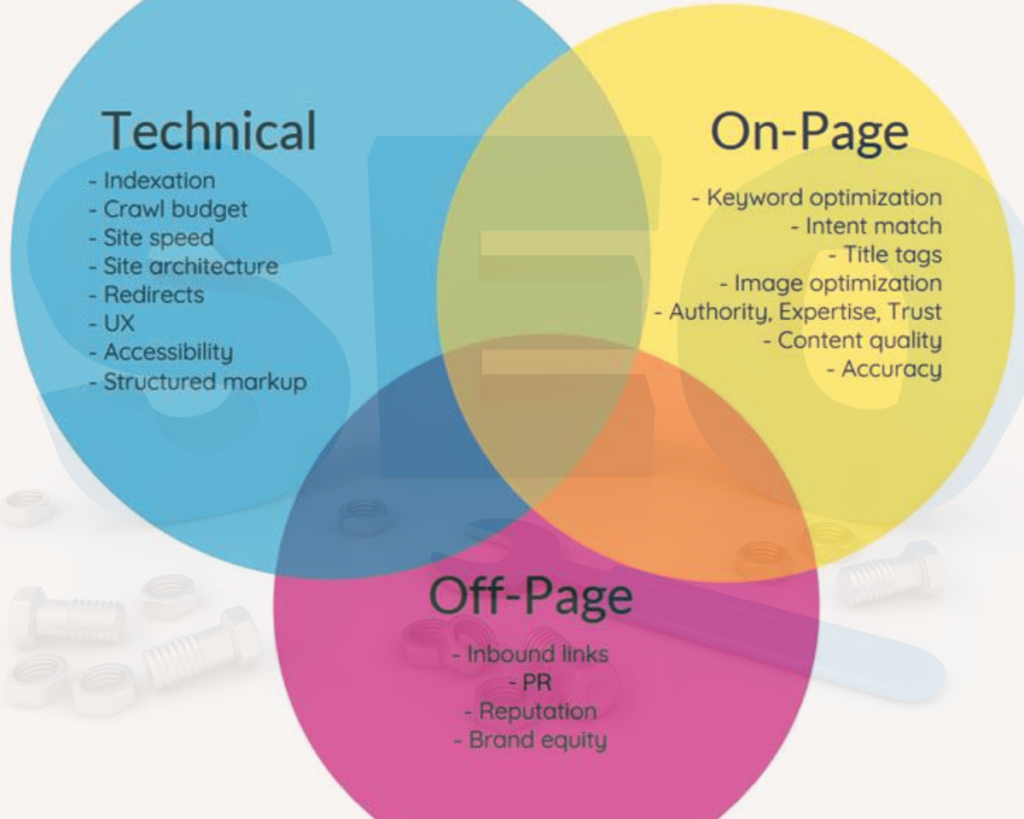
Technical SEO refers to optimizing your website’s infrastructure to make it easier for search engines to crawl, index, and rank your site. It’s the backbone of your SEO strategy, ensuring that your site is accessible, fast, and user-friendly. With search engines becoming more sophisticated, the technical aspects of SEO are more critical than ever.
Website Structure and Navigation
Optimizing URL Structure:
A clean, organized URL structure helps both users and search engines understand the hierarchy of your site. Use descriptive keywords and keep URLs short and simple.
Implementing Breadcrumbs:
Breadcrumbs enhance navigation and aid search engines in comprehending your site’s organization. They enhance the user experience by allowing visitors to easily track their location within the site.
Crawling and Indexing
XML Sitemaps:
An XML sitemap acts like a roadmap for search engines, guiding them to all your important pages. Ensure your sitemap is current and includes all pertinent pages.
Robots.txt File:
The robots.txt file tells search engines which pages to crawl and which to ignore. Make sure your robots.txt file is properly set up to prevent unintentionally blocking crucial pages.
Canonical Tags:
Canonical tags prevent issues with duplicate content by specifying the preferred version of a webpage. Use canonical tags to consolidate link equity and avoid confusing search engines.
Site Speed and Performance
Importance of Site Speed:
Site speed is a critical ranking factor. A sluggish website can frustrate users and result in increased bounce rates. Search engines prioritize fast-loading sites, so optimizing speed is essential.
Tools to Measure Site Speed:
Use tools like Google PageSpeed Insights, GTmetrix, and Pingdom to assess your site’s speed and identify areas for improvement.
Tips to Improve Site Speed
- Optimize images by compressing and resizing.
- Minimize HTTP requests.
- Enable browser caching.
- Use a content delivery network (CDN).
Mobile-Friendliness
Mobile-First Indexing:
With the majority of internet traffic coming from mobile devices, Google uses mobile-first indexing. Make sure your website is fully optimized to cater to mobile users.
Responsive Design
A responsive design adjusts to different screen sizes, providing a seamless experience across devices. This is essential for both enhancing user experience and optimizing SEO.
Accelerated Mobile Pages (AMP)
AMP is designed as a framework to build mobile pages that load quickly, enhancing mobile performance and improving user experience.
Secure Sockets Layer (SSL)
Importance of HTTPS:
HTTPS encrypts data, ensuring secure communication between the user and your site. Ensure that your site utilizes HTTPS, as it is also a ranking factor.
How to Implement SSL:
Obtain an SSL certificate and set up your server to utilize HTTPS. Update your site’s internal links to point to the HTTPS version.
On-Page SEO Elements
Meta Titles and Descriptions:
Craft unique, descriptive meta titles and descriptions for each page. These elements assist search engines in comprehending your page content and can impact click-through rates
Header Tags:
Structure your content using header tags such as H1, H2, and H3. Proper use of headers improves readability and helps search engines understand your content hierarchy.
Image Optimization:
Enhance website performance by using descriptive file names and alt text for images, and optimize load times by compressing images without compromising quality.
Structured Data Markup
What is Structured Data?
Structured data uses a standardized format to provide search engines with additional information about your content. This can improve search result visibility through enriched snippets.
Benefits of Structured Data:
Structured data can improve your site’s visibility in search results and increase click-through rates by providing additional context.
How to Implement Structured Data:
Implement schema.org markup to integrate structured data into your website. Google’s Structured Data Testing Tool can help you validate your markup.
Internal Linking
Importance of Internal Linking:
Internal links distribute link equity across your site and help search engines understand the relationship between pages. They also guide users to related content.
Best Practices for Internal Linking:
- Use descriptive anchor text.
- Link to relevant, high-value pages.
- Ensure a logical flow of information.
Error Handling and Redirects
404 Errors:

A 404 error happens when a page cannot be located. Regularly monitor for 404 errors and fix them by redirecting to relevant content or updating links.
301 Redirects:
Implement 301 redirects to permanently forward old URLs to new ones. This preserves link equity and ensures users and search engines find the correct pages.
Broken Links:
Broken links can harm user experience and SEO. Monitor and promptly repair broken links to uphold the integrity of the site.
XML Sitemap Optimization
Creating an XML Sitemap:
An XML sitemap should include all essential pages. Use tools like Yoast SEO or Google XML Sitemaps to create and maintain your sitemap
Submitting Sitemap to Search Engines:
Submit your sitemap to Google Search Console and Bing Webmaster Tools to ensure search engines can easily find and index your content.
Robots.txt Optimization
Importance of Robots.txt:
The robots.txt file manages the sections of your website that search engines can crawl. Properly configuring your robots.txt file helps manage crawl budget and avoid indexing unnecessary pages.
Best Practices for Robots.txt:
- Allow access to important pages.
- Block pages with duplicate content.
- Please test your robots.txt file using Google’s Robots Testing Tool.
Site Architecture
Flat vs. Deep Site Architecture:
Flat site architecture minimizes the number of clicks needed to reach any page, improving crawl efficiency. Deep site architecture, on the other hand, can make some pages harder to find.
Best Practices for Site Architecture:
- Keep important pages close to the homepage.
- Use a logical, hierarchical structure.
- Ensure a clear path for both users and search engines.
Content Delivery Network (CDN)
What is a CDN?
A CDN distributes your content across multiple servers worldwide, reducing load times for users based on their geographic location.
Benefits of Using a CDN:
Using a CDN can significantly improve site speed, enhance user experience, and reduce server load.
How to Implement a CDN:
Choose a CDN provider like Cloudflare or Akamai, and follow their setup instructions to integrate the CDN with your site.
Monitoring and Auditing
Regular SEO Audits:
Regular SEO audits help identify and fix technical issues before they impact your rankings. Perform audits quarterly to stay on top of your site’s health.
Tools for Monitoring SEO Performance:
Use tools like Google Analytics, Google Search Console, and SEMrush to monitor your site’s performance and identify areas for improvement
Conclusion
Optimizing technical SEO plays a crucial role in your comprehensive SEO strategy. By optimizing your site’s structure, speed, mobile-friendliness, and other technical aspects, you can improve your search engine rankings and provide a better userexperience. Stay proactive with regular audits and updates to ensure your site remains in peak condition.
FAQs
What is Technical SEO?
Technical SEO involves optimizing your website’s infrastructure to improve its visibility and ranking in search engines. It focuses on elements like site speed, mobile-friendliness, and secure connections
How often should I audit my website for technical SEO?
Perform a technical SEO audit at least once a quarter. Regular audits help you catch and fix issues before they negatively impact your search rankings.
What are the most important elements of technical SEO?
Key elements include site speed, mobile-friendliness, SSL implementation, structured data, and a well-optimized URL structure.
How can I improve my website’s loading speed?
To improve loading speed, optimize images, enable browser caching, minimize HTTP requests, and use a content delivery network (CDN).
Why is mobile-friendliness important for SEO?
Mobile-friendliness is crucial because most users access the internet via mobile devices. Google also uses mobile-first indexing, meaning it prioritizes the mobile version of your site in its rankings.