Introduction
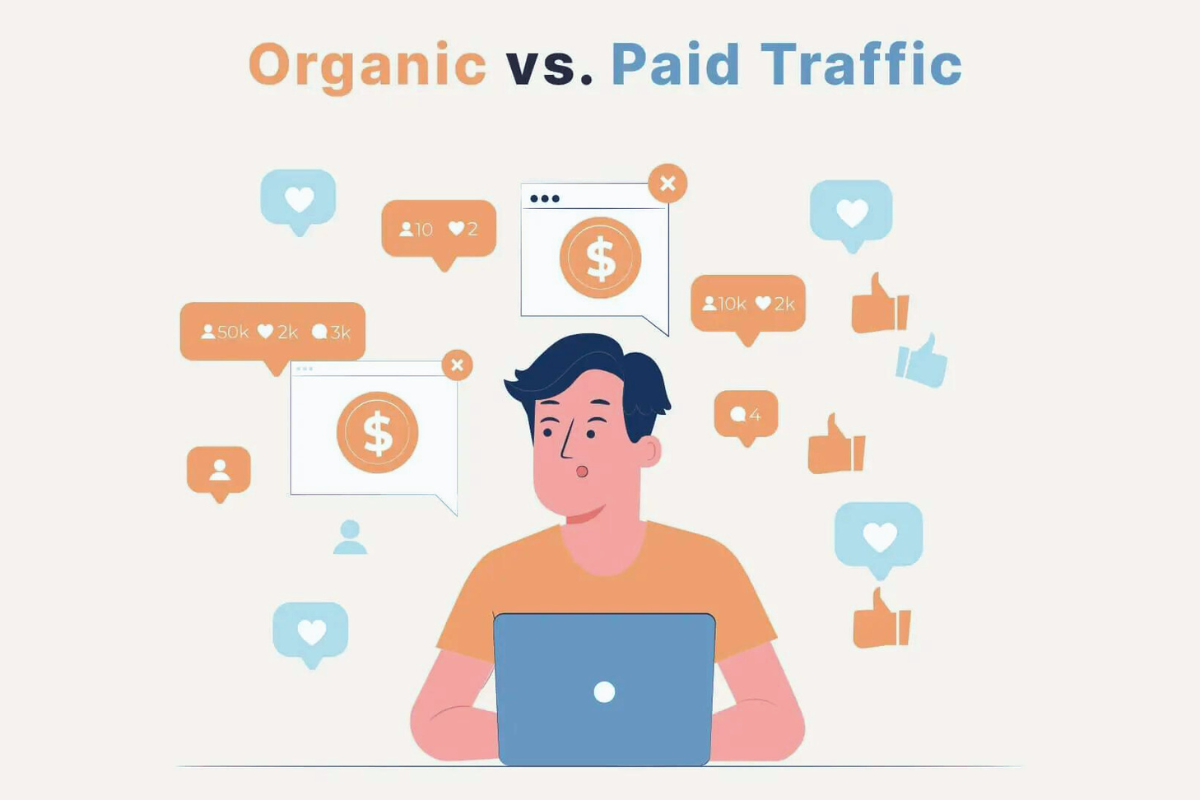
In the ever-evolving world of digital marketing, understanding the dynamics of web traffic is crucial. As we navigate through 2024, the debate between organic traffic vs paid traffic continues to be a hot topic. For businesses looking to optimize their online presence, knowing the strengths and weaknesses of organic traffic vs paid traffic is essential. This article delves deep into the organic traffic vs paid traffic, exploring their key differences, future trends, and best practices for maximizing their effectiveness.
What is Organic Traffic?
Definition of Organic Traffic
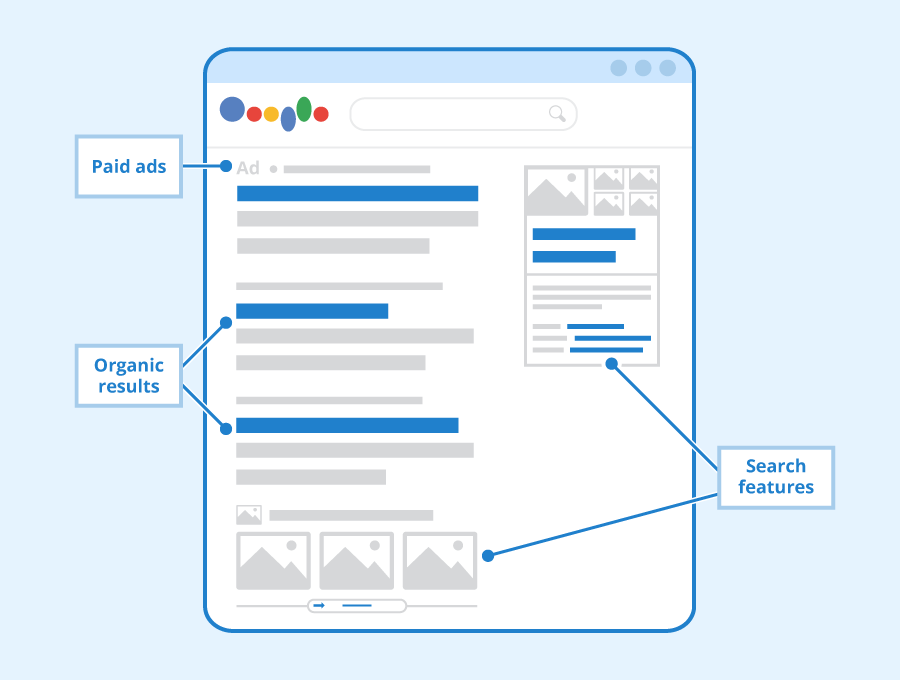
Organic traffic refers to visitors who land on your website as a result of unpaid search engine results. These visitors are typically directed to your site through search engines like Google, Bing, or Yahoo based on the relevance of your content to their search queries.
How Organic Traffic is Generated
Organic traffic is primarily generated through search engine optimization (SEO) practices, which aim to improve your website’s visibility on search engine results pages (SERPs). By optimizing content, metadata, and site structure, you can increase the likelihood of ranking higher for relevant keywords, thus attracting organic traffic.
Key Characteristics of Organic Traffic
- Free but Slow: Unlike paid traffic, organic traffic doesn’t require direct payment but takes time to build.
- Sustainable: Once established, organic traffic can provide a steady flow of visitors.
- Trustworthy: Users often trust organic results more than paid ads.
Benefits of Organic Traffic
- Cost-Effective: No need for a direct budget allocation.
- Long-Term Gains: Builds authority and trust over time.
- Targeted Audience: Attracts users actively searching for your products or services.
What is Paid Traffic?
Definition of Paid Traffic
Paid traffic refers to visitors who arrive at your website through paid advertisements, such as Google Ads, social media ads, or display networks. Businesses pay for these ads to appear in front of targeted audiences based on specific criteria.
How Paid Traffic is Generated
Paid traffic is generated through advertising campaigns where businesses bid on keywords or demographics to display their ads. These ads can appear on search engines, social media platforms, or other websites, driving traffic directly to your site.
Key Characteristics of Paid Traffic
- Immediate Results: Paid campaigns can deliver traffic almost instantly.
- Targeted Reach: Ads can be tailored to specific audiences.
- Costly: Requires continuous investment to maintain traffic levels.
Benefits of Paid Traffic
- Fast and Scalable: Ideal for businesses needing quick results.
- Precise Targeting: Ability to target specific demographics, behaviors, and locations.
- Measurable: Detailed analytics allow for easy tracking and optimization.
Organic Traffic: A Deep Dive
SEO Best Practices for Organic Traffic
SEO is the cornerstone of organic traffic generation. It involves optimizing various aspects of your website, including keyword usage, meta descriptions, and technical SEO (site speed, mobile optimization). Staying updated with SEO trends is crucial, as search engine algorithms continuously evolve.
The Role of Content Marketing in Organic Traffic
Content marketing plays a vital role in attracting organic traffic. By creating valuable, informative, and relevant content, you can position your website as an authority in your niche. Blogs, articles, infographics, and videos can all contribute to a strong content marketing strategy.
Social Media’s Impact on Organic Traffic
While social media primarily drives referral traffic, it can also boost organic traffic by increasing your content’s visibility and shareability. Engaging with your audience on platforms like Facebook, Twitter, and LinkedIn can indirectly improve your organic search rankings.
The Importance of Backlinks
In SEO, backlinks—links from external websites pointing to yours—are crucial for improving search engine rankings.. High-quality backlinks signal to search engines that your site is a credible source of information, improving your chances of ranking higher in search results.
The Role of User Experience (UX) in Driving Organic Traffic
User experience (UX) is increasingly important for organic traffic. A well-designed, easy-to-navigate website not only keeps visitors engaged but also encourages them to return. Search engines prioritize sites that offer a positive user experience, making UX a crucial aspect of SEO.
Paid Traffic: A Deep Dive
Overview of Paid Traffic Channels
Paid traffic can be generated through various channels, including search engine marketing (SEM), social media ads, display ads, and influencer marketing. Each channel has its own strengths and is suitable for different business objectives.
Pay-Per-Click (PPC) Advertising Explained
PPC advertising, most commonly associated with Google Ads, involves bidding on keywords so that your ad appears at the top of search results. You are charged only when someone clicks on your ad, making it a cost-efficient method for generating targeted traffic.
The Role of Social Media Advertising in Paid Traffic
Social media platforms like Facebook, Instagram, and LinkedIn offer extensive advertising solutions.. These platforms allow you to target users based on demographics, interests, and behaviors, making them powerful tools for driving paid traffic.
Display Advertising: Pros and Cons
Display advertising includes placing banner ads on websites across a display network. While these ads can increase brand visibility, they often have lower click-through rates compared to search and social ads.
The Impact of Influencer Marketing on Paid Traffic
Influencer marketing, where businesses collaborate with influencers to promote their products, has become a popular paid traffic strategy. Influencers can drive significant traffic by leveraging their large and engaged audiences.
Organic Traffic vs Paid Traffic: Key Differences
Cost Comparison: Organic Traffic vs Paid Traffic
Organic traffic is essentially free but requires time and effort to build. Paid traffic, on the other hand, delivers immediate results but can be expensive, especially in competitive industries.
Time to Results: Organic Traffic vs Paid Traffic
Paid traffic offers instant gratification, with results visible as soon as the campaign goes live. Organic traffic, however, takes longer to build but provides more sustainable results over time.
Sustainability: Organic Traffic vs Paid Traffic
Organic traffic is generally more sustainable in the long run. Once established, it continues to drive visitors without ongoing costs. Paid traffic, however, stops as soon as the ad spend is paused.
Scalability: Organic Traffic vs Paid Traffic
Paid traffic is easily scalable—you can increase traffic simply by raising your ad budget. Organic traffic is harder to scale, as it requires continuous effort in content creation and SEO optimization.
Audience Trust: Organic Traffic vs Paid Traffic
Organic search results are generally trusted more by users compared to paid advertisements. While paid ads can drive traffic quickly, organic traffic often leads to higher engagement and conversion rates due to the trust factor.
Analytics and Tracking: Organic Traffic vs Paid Traffic
Both organic and paid traffic can be tracked and analyzed, but paid traffic offers more detailed insights. Platforms like Google Ads and Facebook Ads provide comprehensive analytics, allowing for precise campaign adjustments.
Predictions for organic traffic in 2024.
Trends in SEO and Their Impact on Organic Traffic
SEO trends in 2024 are likely to focus on user experience, mobile-first indexing, and content quality. Staying ahead of these trends is crucial for maintaining and growing organic traffic.
The Growing Importance of Voice Search
Voice search is gaining popularity, as more users depend on virtual assistants such as Siri and Alexa. Optimizing content for voice search is essential for capturing this growing segment of organic traffic.
AI and Machine Learning in SEO
AI and machine learning are transforming SEO by enabling more personalized search experiences. In 2024, leveraging AI tools for keyword research, content creation, and optimization will be key to staying competitive in organic search.
The Role of Content Quality in 2024
High-quality, relevant content will continue to be a major factor in organic search rankings. In 2024, content that provides real value to users will be prioritized by search engines, making it essential to focus on quality over quantity.
Predicting Algorithm Changes and Their Effecs
Search engine algorithms are constantly evolving. Staying informed about potential changes and adapting your SEO strategy accordingly is crucial for maintaining organic traffic.
The Future of Paid Traffic in 2024
Evolving Paid Advertising Platforms
Paid advertising platforms are continuously evolving, with new features and targeting options being introduced regularly. Staying updated with these changes is crucial for maximizing the effectiveness of paid campaigns.
The Role of Automation in Paid Traffic
Automation tools are becoming increasingly important in paid traffic management. These tools can optimize ad spend, improve targeting, and reduce manual effort, making paid traffic campaigns more efficient.
Privacy Concerns and Their Impact on Paid Traffic
Privacy regulations, such as GDPR and CCPA, are affecting how businesses collect and use data for paid advertising. In 2024, navigating these regulations will be crucial for maintaining effective paid traffic strategies.
The Future of Social Media Advertising
Social media advertising will continue to play a significant role in paid traffic. However, the landscape is changing, with platforms like TikTok gaining prominence. Adapting to these shifts will be essential for success in 2024.
Cost Trends in Paid Traffic for 2024
The cost of paid traffic is expected to rise in 2024, especially in competitive industries. Businesses will need to carefully manage their ad budgets and explore cost-effective alternatives to stay profitable.
Case Studies: Organic Traffic vs Paid Traffic
Case Study 1: A Successful Organic Traffic Strategy
Company X, a small e-commerce business, focused on SEO and content marketing to drive organic traffic. By optimizing their site and regularly publishing high-quality content, they saw a 200% increase in organic traffic over two years.
Case Study 2: A Successful Paid Traffic Campaign
Company Y, a software company, launched a targeted PPC campaign on Google Ads. Within three months, they achieved a 150% increase in website traffic and a significant boost in sales.
Case Study 3: A Combined Organic and Paid Strategy
Company Z, a B2B service provider, used a hybrid approach, combining SEO with PPC. This strategy allowed them to capture immediate traffic through paid ads while building long-term organic traffic. As a result, they saw consistent growth in both traffic and revenue.
Lessons Learned from These Case Studies
- Balance is Key: Combining organic and paid strategies can provide the best of both worlds.
- Continuous Optimization: Both organic and paid strategies require ongoing attention and adjustment.
- Know Your Audience: Understanding your audience is crucial for success in both organic traffic vs paid traffic.
Which is Better for Your Business?
Factors to Consider When Choosing Organic Traffic vs Paid Traffic
- Budget: What budget are you considering?
- Time Frame: Do you need immediate results or long-term growth?
- Industry: What’s the competition like in your niche?
The Role of Budget in Traffic Strategy
If you have a limited budget, focusing on organic traffic might be more sustainable. However, if you need quick results and can afford it, investing in paid traffic can provide an immediate boost.
Industry-Specific Considerations
In highly competitive industries, paid traffic might be necessary to stand out. In less competitive markets, organic traffic could be more effective and sustainable.
How to Assess Your Current Traffic Strategy
Regularly reviewing your traffic data can help you determine which strategy is working best. Tools like Google Analytics can provide insights into traffic sources, helping you make informed decisions.
Best Practices for Combining Organic and Paid Traffic
How to Integrate Organic and Paid Traffic Strategies
Start by identifying your goals. Use paid traffic to drive immediate results while building organic traffic for long-term growth. Integrate your efforts by using insights from paid campaigns to inform your organic strategy, and vice versa.
The Benefits of a Hybrid Approach
A hybrid approach allows you to capitalize on the strengths of both strategies. Paid traffic can drive quick wins, while organic traffic builds a sustainable foundation for the future.
Examples of Effective Integrated Campaigns
- Content Promotion: Use paid ads to promote high-value content, which can boost organic traffic over time.
- Remarketing: Target visitors who found your site organically with paid ads to encourage conversions.
Tools and Platforms to Help Manage the organic traffic vs paid traffic
Tools like Google Analytics, SEMrush, and HubSpot can help you track and optimize both organic and paid traffic efforts, ensuring a cohesive strategy.
Common Mistakes to Avoid in Organic Traffic vs Paid Traffic
Pitfalls in Organic Traffic Strategies
- Neglecting Mobile Optimization: A significant amount of organic traffic comes from mobile devices, so ensure your site is mobile-friendly.
- Ignoring SEO Updates: Failing to stay updated on SEO best practices can lead to a decline in organic traffic.
Pitfalls in Paid Traffic Strategies
- Over-Spending: Without careful management, paid traffic can become expensive without delivering ROI.
- Poor Targeting: Inadequate audience targeting can waste ad spend and reduce effectiveness.
How to Avoid Over-Reliance on One Traffic Source
Diversify your traffic sources to avoid being overly dependent on either organic or paid traffic. This reduces risk and ensures a more stable flow of visitors.
The Importance of Continuous Monitoring and Adjustment
Both organic and paid traffic strategies require ongoing monitoring and optimization. Regularly review your performance data and adjust your strategies to stay effective.
Conclusion
In 2024, the ongoing discussion Organic Traffic vs Paid Traffic remains crucial for businesses aiming to enhance their online visibility. Both traffic sources offer unique benefits and challenges, and the best approach often involves a combination of the two. By understanding the key differences, future trends, and best practices, businesses can develop a balanced and effective traffic strategy that drives both immediate and long-term success.
Frequently Asked Questions (FAQs)
What is the main difference between Organic Traffic vs Paid Traffic?
The main difference is that organic traffic is free and generated through SEO, while paid traffic is acquired through paid advertisements.
Can organic traffic replace paid traffic?
In some cases, yes. However, paid traffic offers immediate results that organic traffic might take time to achieve.
How much time does it usually take to observe results from organic traffic?
It can take several months to see significant results from organic traffic, depending on the competitiveness of your industry and the quality of your SEO efforts.
Is paid traffic worth the investment?
Paid traffic can be worth the investment if you need quick results and have a clear strategy for targeting the right audience.
How can I measure the effectiveness of my traffic strategy?
Use tools like Google Analytics to track metrics such as traffic sources, conversion rates, and bounce rates to measure the effectiveness of your traffic strategy.