Introduction:
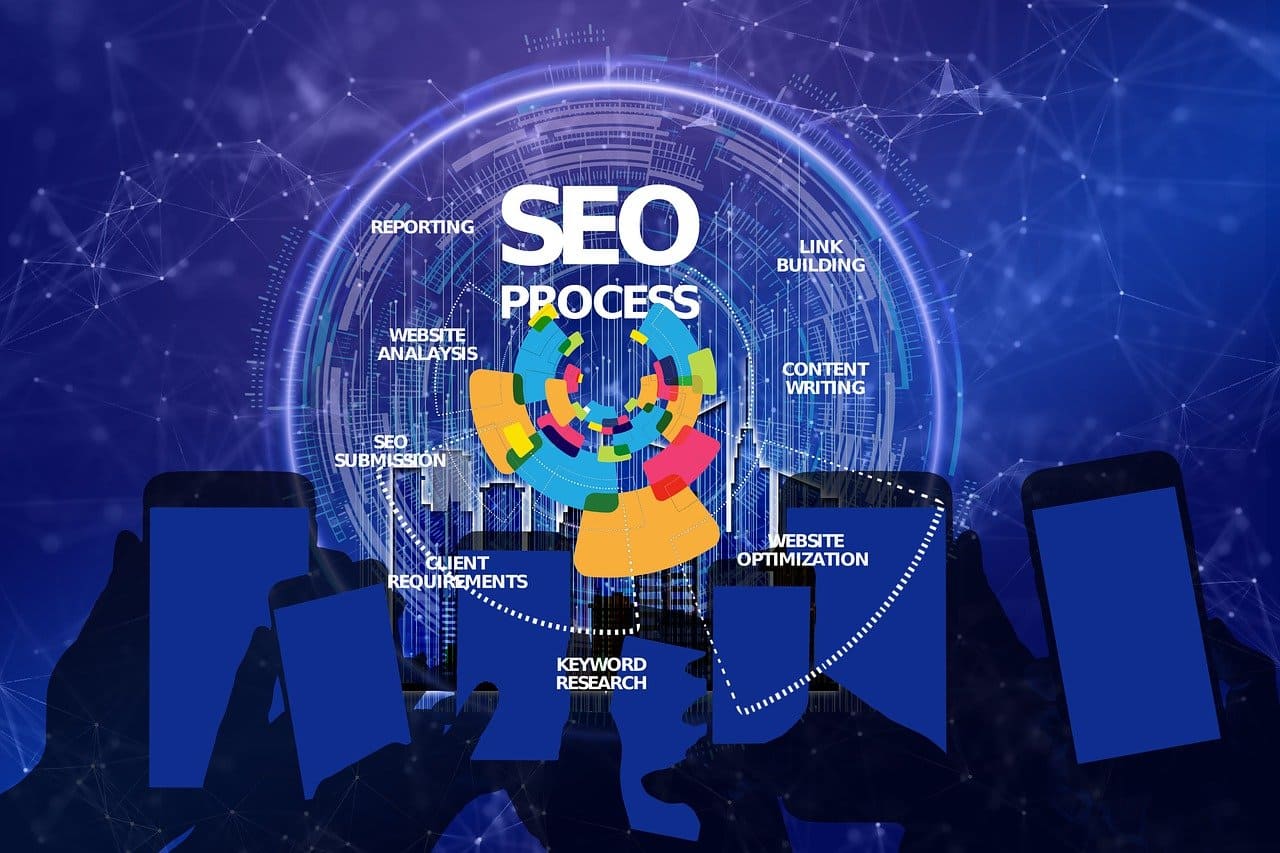
In today’s digital marketing landscape, Best SEO Practices is more crucial than ever. Whether you’re running a personal blog or managing a business website, SEO helps increase visibility, attract organic traffic, and ultimately boost conversions. Understanding the different types of SEO and implementing these can significantly enhance your online presence. some of the best SEO practices are given with detail information.
Types of SEO:
On-Page SEO:
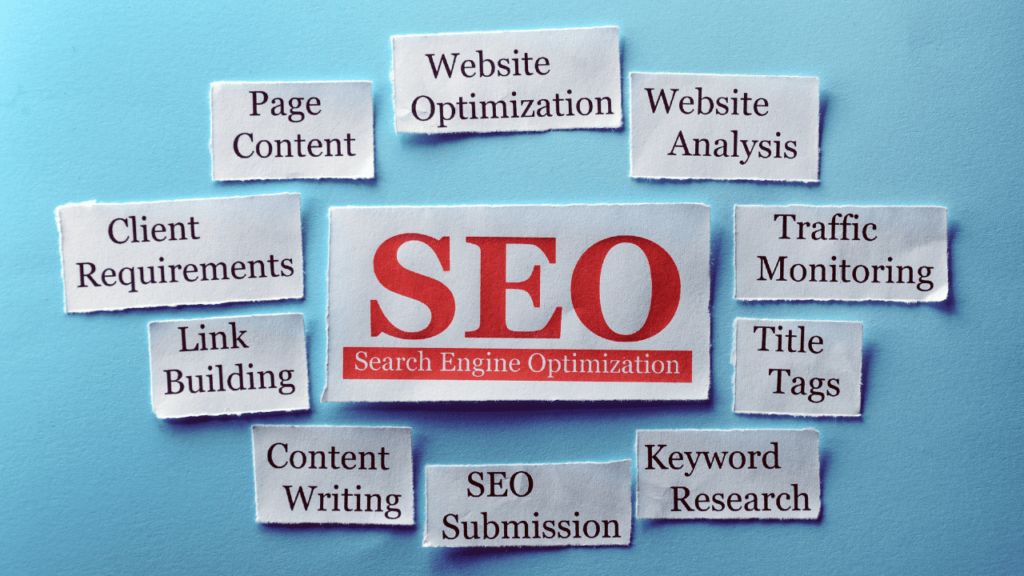
On-page SEO involves optimizing individual web pages to achieve higher rankings and attract more relevant traffic from search engines. This optimization includes refining both the content and HTML source code of each page.
Content Optimization:
Content is king in the realm of SEO. High-quality, informative, and engaging content not only attracts visitors but also encourages them to stay longer on your site. Use clear and concise language, structure your content with headings and subheadings, and ensure it’s relevant to your audience.
Keyword Research:
Keywords are the foundation of SEO. Perform comprehensive keyword research to pinpoint the terms that your target audience is searching for. Tools like Google Keyword Planner, Ahrefs, and SEMrush can help you find the right keywords to incorporate naturally into your content.
Meta Tags and Descriptions:
Meta tags and descriptions supply search engines with information regarding your web pages. Ensure your meta titles and descriptions are compelling and include relevant keywords to improve click-through rates.
Off-Page SEO
Off-page SEO comprises activities beyond your website that impact your rankings in search engine results pages (SERPs).This includes building backlinks, engaging on social media, and guest blogging.
Link Building:
Backlinks from reputable sites indicate to search engines that your content is valuable and reliable. Focus on acquiring high-quality backlinks through guest posts, partnerships, and content marketing.
Social Media Engagement:
Engaging with your audience on social media platforms can drive traffic to your site and improve your SEO and it is one of the best SEO practice. Share your content regularly, interact with followers, and use social media to build relationships within your industry.
Guest Blogging:
Writing guest posts for other websites can increase your exposure and generate backlinks. Choose reputable sites in your niche and provide valuable content to establish yourself as an authority.
Technical SEO
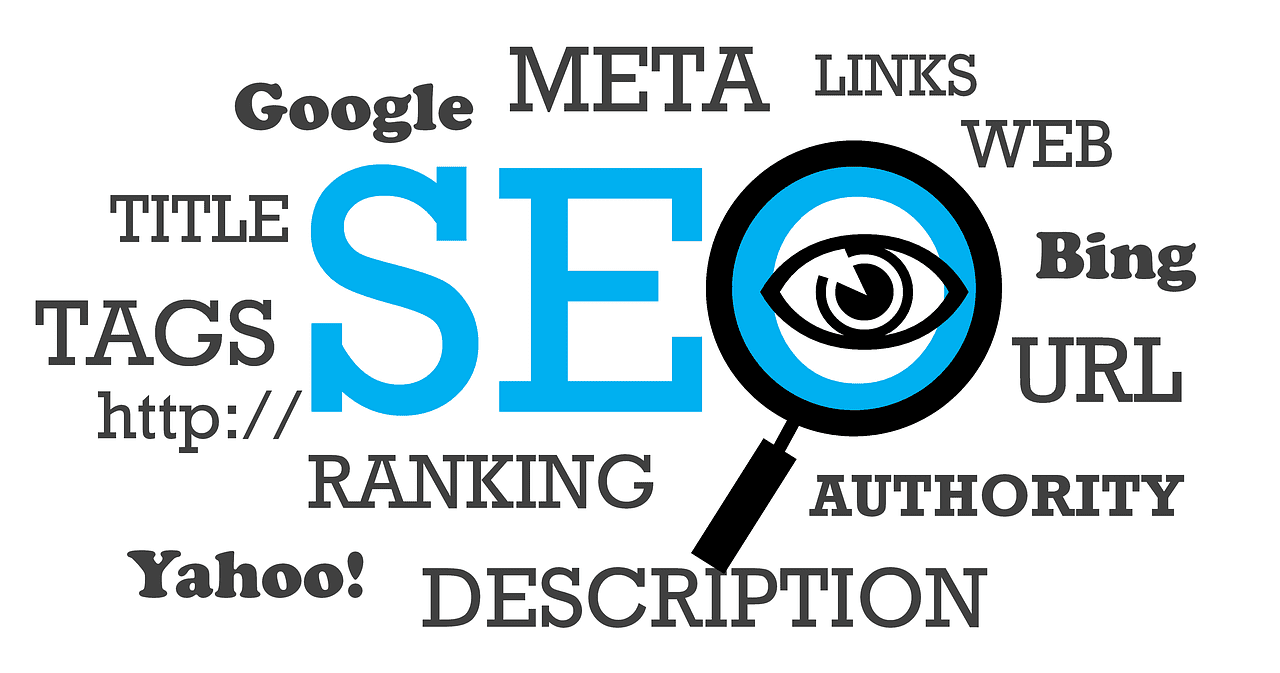
Technical SEO involves optimizing your website’s infrastructure to make it easier for search engines to crawl and index your site. This includes improving site speed, mobile-friendliness, and creating XML sitemaps.
Site Speed:
Improving website speed enhances user experience and lowers bounce rates. Utilize tools such as Google Page Speed Insights to pinpoint and resolve any issues causing slowdowns on your site.
Mobile-Friendliness:
Given the rising prevalence of mobile devices, having a responsive, mobile-friendly website is indispensable. Make sure your website is responsive and offers a seamless experience across all devices.
XML Sitemaps:
An XML sitemap aids search engines in comprehending your website’s structure, facilitating more efficient indexing of your pages. Regularly update your sitemap and submit it to search engines.
Local SEO
Google My Business:
Creating and optimizing your Google My Business profile can significantly improve your local search visibility. Please verify that your business information is accurate and up-to-date.
Local Citations:
Having consistent and accurate mentions of your business name, address, and phone number (NAP) on various websites can significantly enhance your local SEO efforts.
Reviews and Ratings:
Positive reviews and high ratings can enhance your online reputation and influence potential customers. Encourage happy customers to share their feedback on Google and other review platforms.
10 Best SEO Practices
Create High-Quality Content:
Top-notch content forms the foundation of every effective and one of the best SEO practices. Create content that is valuable, engaging, and original, tailored to meet the needs and interests of your audience
Optimize for Mobile:
With more people accessing the internet via mobile devices, optimizing your website for mobile is crucial. Make sure your website adapts smoothly and delivers a consistent user experience on all devices.
Use Relevant Keywords:
Ensure your content, meta tags, and URLs integrate relevant keywords naturally, avoiding excessive repetition that could result in search engine penalties.
Improve Site Speed:
A fast-loading website not only improves user experience but also positively impacts your SEO. Utilize tools such as Google Page Speed Insights to pinpoint and resolve issues that could be causing slowdowns on your site.
Build Quality Backlinks:
Focus on acquiring high-quality backlinks from reputable sites. You can accomplish this through guest blogging, forming partnerships, and implementing content marketing strategies. these links helps to crawl the data and also helps to get rank in SERP. another best SEO practices helps to rank.
Use Alt Text for Images:
Alt text helps search engines understand the content of your images and improves your site’s accessibility. Craft alt text that describes the image using relevant keywords
Leverage Social Media:
Use social media platforms to share your content, engage with your audience, and build relationships within your industry. This can drive traffic to your site and improve your SEO practices.
Utilize Schema Markup:
Schema markup helps search engines understand your content and can improve your site’s visibility in SERPs. Use schema markup to provide additional information about your content. add this is in SEO practice.
Regularly Update Content:
Keep your content fresh and up-to-date to maintain its relevance and value. Updating your content regularly can enhance your search engine rankings and maintain engagement with your audience.
Monitor and Analyze Performance:
Use tools like Google Analytics and Search Console to monitor your site’s performance in SEO practices and identify areas for improvement. Regular analysis can help you refine your SEO strategy and achieve better results.
Conclusion:
SEO practices is a multifaceted discipline that involves various strategies and techniques. By understanding the different types of SEO and implementing best SEO practices, you can significantly improve your website’s visibility, attract more organic traffic, and achieve your business goals. SEO demands consistent effort and ongoing adaptation to maintain a competitive edge.
FAQs
What sets on-page SEO apart from off-page SEO?
On-page SEO focuses on optimizing individual web pages, including content and HTML source code. Off-page SEO involves activities outside your website, such as building backlinks and engaging on social media.
How often should I update my website content?
Regularly updating your content can help maintain its relevance and value. Aim to review and update your content at least every few months or whenever significant changes occur in your industry.
Why is mobile optimization crucial for SEO?
With the increasing use of mobile devices, having a mobile-friendly website ensures a seamless user experience and improves your site’s visibility in mobile search results.
What tools can help with keyword research?
Tools like Google Keyword Planner, Ahrefs, and SEMrush can help you conduct thorough keyword research and find the right terms to target in your content
How can I determine if my SEO strategy is effective?
Monitor your site’s performance using tools such as Google Analytics and Search Console
Track metrics such as organic traffic, bounce rate, keyword rankings and all these SEO practices to evaluate the effectiveness of your SEO strategy.