
Introduction
Understanding Digital Marketing
Definition and Basics
scope of Digital marketing involves utilizing online platforms such as search engines, social media, email, and websites to engage with both existing and potential customers, encompassing all marketing efforts through internet or electronic devices.
Evolution Over the Years
From the early days of simple banner ads and email campaigns to the complex, data-driven strategies used today, digital marketing has continuously evolved. The rise of social media, mobile technology, and artificial intelligence has significantly transformed the landscape.
Importance of Digital Marketing
Digital marketing is crucial for businesses of all sizes as it offers a cost-effective way to reach a large audience. It allows for precise targeting and personalized communication, helping businesses to build strong relationships with their customers.
The Expanding Horizons of Digital Marketing
Scope of Digital Marketing in Artificial Intelligence and Machine Learning
Personalized Customer Experiences
AI and machine learning empower marketers to analyze extensive data sets, enabling them to deliver deeply personalized experiences. From personalized email campaigns to tailored product recommendations, AI helps in understanding and predicting customer behavior.
Predictive Analytics
Predictive analytics employs historical data for anticipating future trends. Marketers can use these insights to optimize their strategies, improve customer retention, and increase ROI.
Voice Search Optimization
The Rise of Voice Assistants
With the increasing popularity of voice-activated devices like Amazon Alexa, Google Assistant, and Apple Siri, voice search is becoming a significant aspect of digital marketing. Consumers are using voice search for everything from finding local businesses to making online purchases.
Optimizing Content for Voice Search
To stay competitive, businesses need to optimize their content for voice search. This involves using natural language, focusing on long-tail keywords, and providing concise answers to common questions.
Video Marketing
Live Streaming
Live streaming enables businesses to interact with their audience in real-time. Platforms like Facebook Live, Instagram Live, and YouTube Live provide opportunities for live product demonstrations, Q&A sessions, and behind-the-scenes content.
Short-form Videos
Short-form videos, especially those on platforms like TikTok and Instagram Reels, are gaining popularity. These videos are engaging, easy to consume, and highly shareable, making them an effective tool for brand promotion.
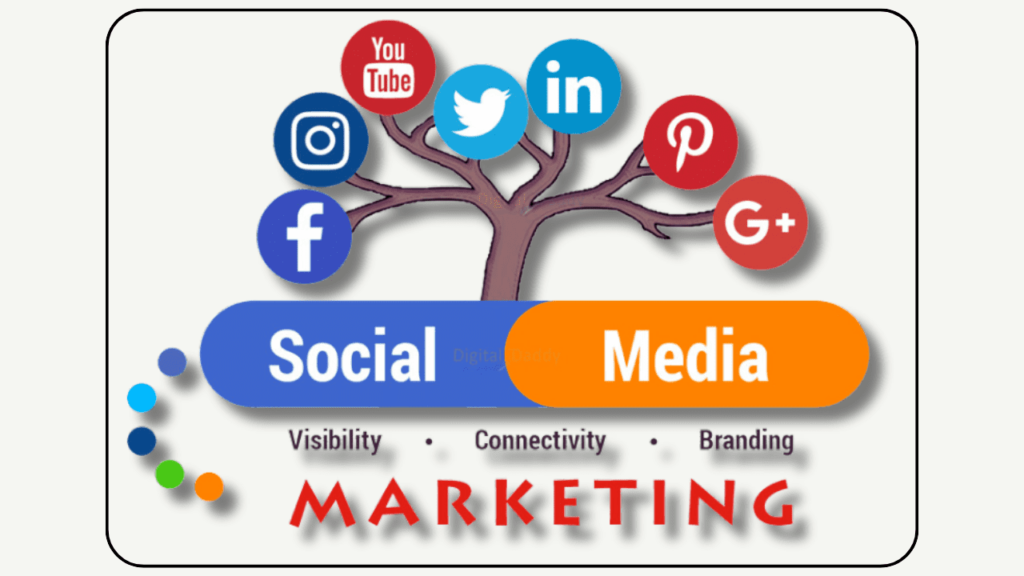
Social Media Marketing
Emerging Platforms
New social media platforms are continually emerging, offering fresh opportunities for businesses to connect with their audience. Staying updated with these platforms can give businesses a competitive edge.
New Features and Advertising Options
Established platforms like Facebook, Instagram, and LinkedIn are constantly introducing new features and advertising options. Businesses can use these tools to create more targeted and interactive marketing campaigns.
Content Marketing

High-Quality Content
High-quality, relevant content remains the cornerstone of effective digital marketing. Creating valuable content that addresses the needs and interests of the audience helps in building trust and authority.
Storytelling and User-Generated Content
Storytelling creates an emotional connection with the audience, making the brand more relatable. User-generated content, such as customer reviews and testimonials, adds authenticity and can significantly influence purchasing decisions.
AR and VR Experiences
Augmented reality (AR) and virtual reality (VR) are transforming content marketing by providing immersive experiences. From virtual try-ons to interactive 3D models, AR and VR offer unique ways to engage customers.
Technological Advancements Driving Digital Marketing
Data Analytics
Importance of Big Data
Big data analytics enables marketers to gain deep insights into customer behavior, preferences, and trends. This data-driven approach helps in making informed decisions and creating more effective marketing strategies.
Real-Time Data Analysis
Real-time data analysis allows businesses to monitor the performance of their campaigns and make adjustments on the fly. This agility can lead to better results and higher customer satisfaction.
Influencer Marketing
Collaboration with Influencers
Collaborating with influencers helps businesses reach niche audiences and build brand credibility. Influencers have the ability to offer genuine endorsements that deeply connect with their followers.
Reaching Niche Audiences
Influencer marketing is particularly effective for targeting specific demographics or interest groups. By partnering with influencers who have a strong connection with their audience, businesses can achieve more targeted reach.
Omnichannel Marketing
Seamless Customer Experience
Omnichannel marketing focuses on providing a seamless customer experience across multiple channels. Whether online or offline, customers should have a consistent and integrated experience with the brand.
Integration of Online and Offline Channels
Integrating online and offline marketing efforts ensures that customers receive a unified message. This approach can enhance customer loyalty and drive more conversions.
Challenges and Considerations
Privacy and Data Security
Stricter Regulations
With increasing concerns about data privacy, regulations like the GDPR and CCPA have been implemented to protect consumer data. Marketers must ensure compliance with these regulations to avoid penalties and build trust with their audience.
Balancing Personalization and Privacy
While personalization is key to effective marketing, it must be balanced with respect for privacy. Businesses need to be transparent about data collection and use practices and provide options for customers to control their data.
Keeping Up with Rapid Changes
Continuous Learning
The scope of digital marketing landscape is constantly evolving, requiring marketers to stay updated with the latest trends and technologies. Continuous learning and professional development are essential to stay competitive.
Adapting to New Technologies
Adapting to new technologies help to develop the scope of digital marketing that can be challenging but is crucial for staying ahead. Businesses should be open to experimenting with new tools and platforms to find what works best for them.
Conclusion
The scope of digital marketing is bright and full of opportunities. With advancements in technology, the scope of digital marketing is expanding rapidly, offering businesses new ways to connect with their audience and drive growth. Businesses can unlock the full potential of digital marketing by staying current with the latest trends and continually adapting their strategies.
FAQs
What is the scope of digital marketing?
The scope of digital marketing lies in leveraging advanced technologies like AI, voice search, and AR/VR to create personalized and immersive experiences for customers.
How will AI impact digital marketing?
AI will revolutionize digital marketing by enabling personalized customer experiences, predictive analytics, and efficient data analysis, leading to more effective marketing strategies.
What are the benefits of voice search optimization in scope of digital marketing?
Voice search optimization helps businesses reach a growing audience of voice assistant users, providing quick and accurate answers to their queries and improving search engine rankings.
Why is video marketing important?
Video marketing is important because it engages audiences more effectively than text or images, drives higher conversion rates, and is highly shareable on social media platforms.
How can businesses safeguard data privacy in digital marketing?
Businesses can ensure data privacy by complying with regulations, being transparent about data practices, and providing customers with control over their personal data.