Understanding the Basics
What is Digital Marketing?
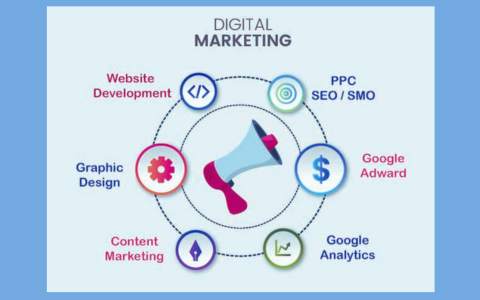
Digital marketing involves using the internet and electronic devices to promote products and services. It uses online platforms like search engines, social media, email, and websites to reach and engage with people. This field includes many methods and techniques to connect with target audiences and achieve business objectives.
Key Concepts and Terminology
Before starting, get to know key digital marketing terms like SEO (Search Engine Optimization), PPC (Pay-Per-Click), CTR (Click-Through Rate), ROI (Return on Investment), and conversion rates. Knowing these basics will make it easier to understand more advanced topics later on.
Getting Started with Digital Marketing
Identifying Your Goals
Start by defining what you want to achieve with digital marketing. Whether it’s increasing brand awareness, driving website traffic, generating leads, or boosting sales, clear goals will guide your learning process and strategy development.
Choosing Your Niche
Digital marketing is vast, so it’s beneficial to focus on a niche that aligns with your interests or career aspirations. This could be anything from SEO and content marketing to social media or email marketing. Specializing will make it easier to become proficient and stand out in your field.
Essential Skills for Digital Marketers
SEO Basics
SEO is important for making your website more visible on search engines. It means improving your content and website setup so that it appears higher in search results.
On-Page SEO
On-page SEO involves making improvements to each page on your website. This includes using relevant keywords, optimizing titles and descriptions, and making sure your content is high quality and easy to use.
Off-Page SEO
Off-page SEO involves activities outside of your website that influence your rankings, such as building backlinks, social media marketing, and influencer outreach.
Content Creation
Creating useful content is key to digital marketing. It helps to attract, engage, and turn your audience into customers.
Blogging
Start a blog to share informative and engaging posts about your niche. Blogging enhances your SEO and establishes your authority in your chosen field.
Video Content
Videos are an effective way to engage with your audience.Learn how to create compelling videos that can be shared on platforms like YouTube, Instagram, and TikTok.
Social Media Marketing
Social media platforms are essential for promoting content and engaging with your audience.
Platform-Specific Strategies
Each social media platform has its own audience and specific ways to use it effectively. Tailor your strategies for platforms like Facebook, Instagram, Twitter, and LinkedIn to maximize engagement and reach
Engaging Your Audience
Consistently interact with your followers by responding to comments, sharing user-generated content, and running contests or giveaways to build a loyal community.
Email Marketing
Email marketing is still one of the most effective ways to promote your business online.
Building an Email List
Use opt-in forms on your website, offer valuable lead magnets, and leverage social media to grow your email list.
Crafting Effective Emails
Write engaging subject lines, personalize your messages, and include clear calls-to-action to make your email campaigns successful.
Analytics and Data Interpretation
Understanding data is vital for measuring the success of your digital marketing efforts. Familiarize yourself with tools like Google Analytics to track website traffic, user behavior, and campaign performance.
Free Resources to Learn Digital Marketing
Online Courses
Platforms like Coursera, Udemy, and HubSpot Academy offer free courses on various digital marketing topics. These courses typically feature video lessons, quizzes, and practical exercises.
Blogs and Websites
Follow reputable digital marketing blogs like Moz, Neil Patel, and Search Engine Journal to stay informed about the latest trends and best practices.
YouTube Channels
YouTube is a great resource for learning digital marketing. Channels like Ahrefs, Brian Dean, and Marketing 360 provide valuable tutorials and insights.
Paid Resources for In-Depth Learning
Certification Programs
Consider investing in certification programs from Google, HubSpot, or the Digital Marketing Institute. These programs provide comprehensive training and a recognized credential upon completion.
Books and eBooks
Books like “Digital Marketing for Dummies” and “The New Rules of Marketing and PR” offer in-depth knowledge and practical tips. eBooks and whitepapers from industry experts are also valuable resources.
Practical Experience and Application
Starting Your Own Blog or Website
Apply what you’ve learned by creating and managing your blog or website. This hands-on experience is invaluable for understanding digital marketing concepts in practice.
Running Social Media Campaigns
Experiment with different types of social media content and campaigns. Analyze the results to learn what works best for your audience.
Experimenting with PPC Ads
Run small PPC campaigns on platforms like Google Ads or Facebook Ads. Monitor their performance and adjust your strategies to optimize results.
Networking and Community Involvement
Joining Digital Marketing Groups
Join online communities and forums like Reddit’s r/digitalmarketing or LinkedIn groups to connect with other digital marketers, share knowledge, and stay updated.
Attending Webinars and Conferences
Engage in webinars, workshops, and conferences to gain insights from industry leaders and connect with colleagues. Events like MozCon and Social Media Marketing World offer valuable insights and opportunities.
Staying Updated with Industry Trends
Following Influential Marketers
Follow influencers and thought leaders in digital marketing on social media. They often share the latest trends, tips, and case studies.
Subscribing to Industry Newsletters
Subscribe to newsletters from sources like Marketing Profs, HubSpot, and Content Marketing Institute to receive updates and insights directly in your inbox.
Conclusion
Learning digital marketing step by step requires a mix of theoretical knowledge and practical experience. By setting clear goals, leveraging free and paid resources, gaining hands-on experience, and staying connected with the industry, you can develop the skills needed to succeed in this dynamic field. Remember, digital marketing is ever-evolving, so continuous learning and adaptation are key to staying ahead.
FAQs
How long does it take to learn digital marketing?
The time it takes to learn digital marketing varies based on your dedication and the complexity of the skills you want to acquire. It might take several months to a year to become really good at something.
Do I need a degree to become a digital marketer?
No, a degree is not required to become a digital marketer. Many successful digital marketers are self-taught or have completed certification programs and online courses.
Can I learn digital marketing on my own?
Yes, many resources are available online for free or at a low cost, allowing you to learn digital marketing on your own. Consistency and practice are key to mastering the skills.
What is the best way to get practical experience?
Starting your own blog, running social media campaigns, and experimenting with PPC ads are excellent ways to gain practical experience. Internships and freelance projects also provide valuable hands-on learning opportunities.
How can I stay updated with digital marketing trends?
Follow industry blogs, subscribe to newsletters, join online communities, and attend webinars and conferences
to stay informed about the latest trends and best practices in digital marketing.